Electric vehicles (EVs) are often promoted as requiring less maintenance than traditional gasoline-powered vehicles, largely because of their simpler drivetrains and fewer moving parts. However, EV transmission systems still require professional inspection, maintenance, and occasional repair to ensure long-term reliability and efficiency. The central thesis of this article is that while EV transmissions are generally simpler than conventional automatic transmissions, models such as the Chevrolet Bolt EV, Nissan Leaf, Hyundai Kona Electric, Kia Niro EV, and Volkswagen ID.4 still depend on specialized drivetrain components that require proper servicing, diagnostic expertise, and preventative maintenance to maintain optimal performance and avoid costly repairs.
Understanding EV Transmission Systems
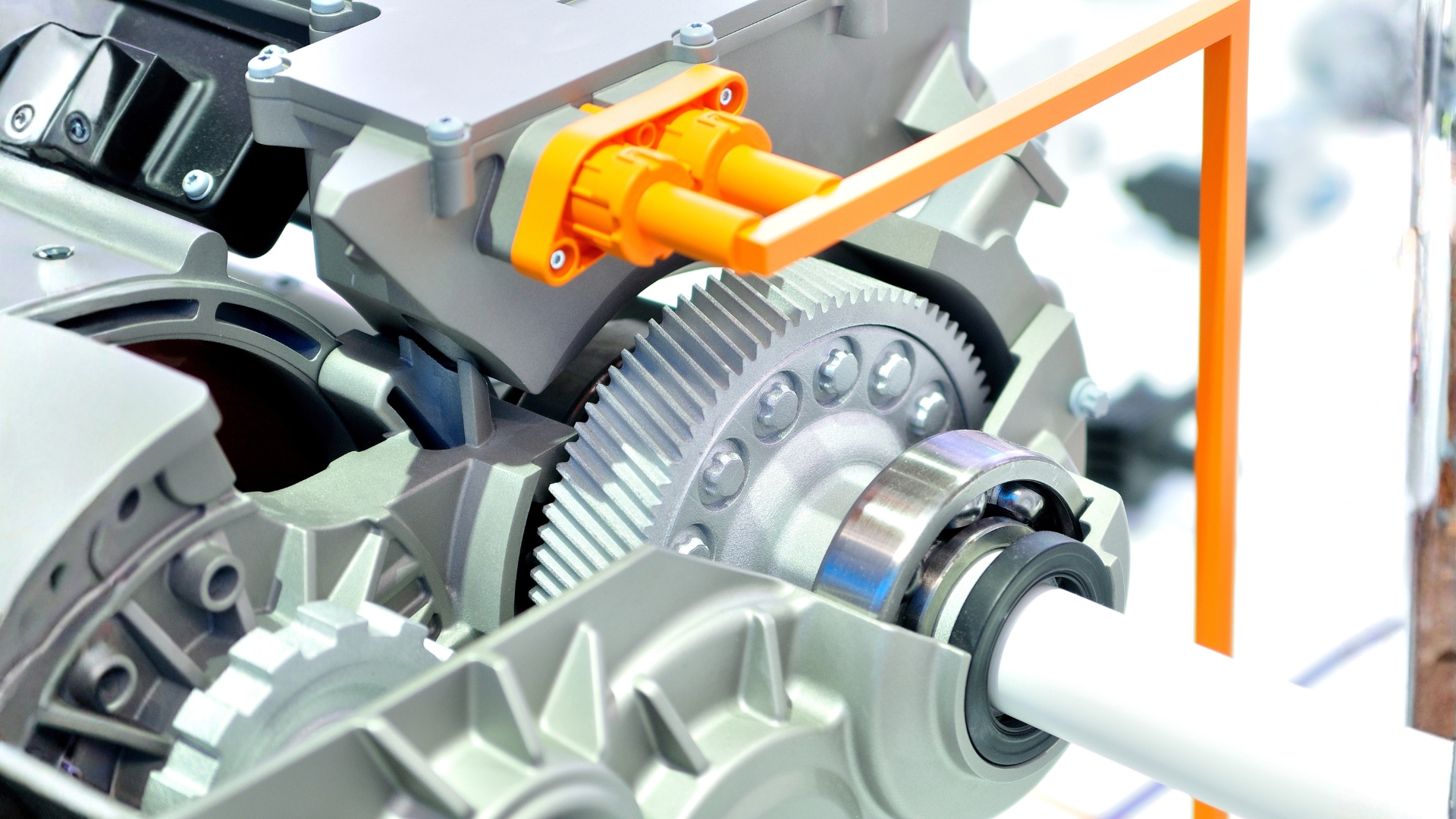
Unlike internal combustion engine vehicles that typically use multi-speed automatic or manual transmissions, most electric vehicles use a single-speed reduction gearbox. This system transfers power from the electric motor to the drive wheels through a fixed gear ratio. Because electric motors produce instant torque across a wide RPM range, multiple gears are generally unnecessary. Although EV transmissions are mechanically simpler, they still contain important components, including:
- Reduction gears
- Bearings
- Differential assemblies
- Transmission fluid or gear lubricant
- Electronic sensors and control modules
- Axles and drive units
These components operate under high torque loads and rotational speeds. Over time, wear, heat, contamination, or lubrication breakdown can affect drivetrain performance and reliability.
Common EV Transmission and Drivetrain Issues
Several transmission-related concerns can affect electric vehicles over time. While EVs eliminate many conventional transmission problems, such as torque converter failure or clutch wear, they can still experience issues, including:
- Gear reduction noise
- Bearing wear
- Fluid contamination
- Motor-to-drive-unit vibration
- Differential wear
- Leaking seals
- Electronic drivetrain faults
Symptoms that may indicate EV transmission or drive unit problems include:
- Grinding or whining noises during acceleration
- Clicking sounds during deceleration
- Delayed power delivery
- Vibration while driving
- Warning lights related to drivetrain systems
- Fluid leaks beneath the vehicle
Because EV drivetrains operate differently from conventional vehicles, accurate diagnostics often require specialized scan tools and EV-certified technicians.
Chevrolet Bolt EV Transmission Service Considerations
The Chevrolet Bolt EV uses a single-motor front-wheel-drive electric propulsion system paired with a compact reduction gearbox. Although the drivetrain has relatively few moving components, routine inspection of the drive unit and lubricant condition remains important. Some Bolt owners have reported drivetrain noises associated with bearing wear or gear-mesh issues at higher mileage intervals. In certain cases, software calibration updates may also affect drivetrain responsiveness and regenerative braking behavior.
Recommended service considerations for the Bolt include:
- Inspecting the reduction gear fluid condition
- Monitoring axle seal integrity
- Evaluating motor mount wear
- Performing drivetrain software updates
- Checking for abnormal gear noise
Maintaining proper lubrication quality is particularly important because EV gearboxes operate continuously under high torque.
Nissan Leaf Drivetrain Reliability and Maintenance
The Nissan Leaf remains one of the most widely adopted electric vehicles globally and is known for its relatively simple drivetrain architecture. The Leaf uses a single-speed transaxle connected to its electric motor.
While generally reliable, higher-mileage Leafs may experience:
- Bearing noise
- Gearbox wear
- CV axle deterioration
- Lubricant degradation
- Drive motor vibration
In some cases, contaminated or degraded transmission fluid may contribute to premature wear inside the reduction gearbox. Although many EV owners assume transmission fluid never requires replacement, manufacturers and EV specialists often recommend periodic inspection based on driving conditions and mileage.
Routine preventative maintenance can help extend drivetrain life and maintain smooth operation.
Hyundai Kona Electric Transmission Concerns
The Hyundai Kona Electric has gained popularity for its long driving range and responsive electric drivetrain. However, some owners have reported clicking or ticking noises originating from the reduction gear assembly. In various cases, these noises have been associated with:
- Worn reduction gears
- Bearing issues
- Motor shaft alignment concerns
- Drive unit component wear
Hyundai has issued technical service bulletins for certain drivetrain-related concerns in specific production years. Early diagnosis is important because abnormal drivetrain noises may worsen over time if left unaddressed.
Professional EV service centers typically perform:
- Drive unit inspections
- Gearbox fluid analysis
- Noise diagnostics
- Motor and bearing evaluation
- Software recalibration
Addressing minor drivetrain symptoms early may reduce the likelihood of more extensive repairs later.
Kia Niro EV Drivetrain Service Needs
The Kia Niro EV shares several drivetrain similarities with the Hyundai Kona Electric due to common platform engineering. As a result, some drivetrain concerns may overlap between the two models.
Owners have occasionally reported:
- Clicking sounds during acceleration
- Gear reduction noise
- Front drivetrain vibration
- Axle-related wear
Because EV drivetrains deliver torque immediately, stress on gears and bearings can be significant during frequent acceleration cycles. Technicians servicing the Niro EV often focus on both mechanical and electronic diagnostics to identify the source of abnormal operation. Regular inspection intervals can help identify early wear patterns before they develop into more severe drivetrain failures.
Volkswagen ID.4 Transmission and Drive Unit Maintenance
The Volkswagen ID.4 uses Volkswagen’s modular electric drive platform and incorporates an advanced electric drive unit with integrated reduction gearing. The ID.4 combines electronic drivetrain management with high-voltage propulsion technology.
Potential service areas for the ID.4 include:
- Gear reduction assembly inspection
- Cooling system monitoring
- Software updates
- Differential and bearing evaluation
- Drive unit diagnostics
As with many newer EV platforms, software plays a significant role in drivetrain operation. Updates may improve energy efficiency, regenerative braking performance, and drivability. Proper maintenance of the drive unit cooling system is also important, as excessive heat can affect both
the motor and the gearbox's longevity.
Why Specialized EV Transmission Service Matters
Electric vehicle drivetrains require specialized training, tools, and safety procedures. High-voltage systems introduce additional complexity that differs significantly from traditional transmission repair.
Qualified EV service technicians typically use:
- Manufacturer-specific diagnostic software
- High-voltage safety equipment
- Thermal analysis tools
- Precision drivetrain inspection equipment
Accurate diagnosis is essential because noises or drivability concerns may originate from several interconnected systems, including the motor, reduction gears, inverter, bearings, or axle assemblies. General repair facilities without EV experience may lack the equipment or technical knowledge necessary for comprehensive drivetrain diagnosis.
Preventative Maintenance for EV Drivetrains
Although EVs generally reduce overall maintenance requirements, preventative care remains important for drivetrain longevity. Recommended practices include:
- Inspecting drivetrain fluid condition periodically
- Addressing unusual noises promptly
- Installing manufacturer software updates
- Monitoring for leaks or vibrations
- Performing regular tire rotations to reduce drivetrain stress
- Scheduling routine EV inspections
Driving habits may also influence drivetrain wear. Frequent rapid acceleration, towing, or aggressive driving can, over time, increase stress on gears and bearings.
Conclusion
Electric vehicles such as the Chevrolet Bolt EV, Nissan Leaf, Hyundai Kona Electric, Kia Niro EV, and Volkswagen ID.4 offer simpler drivetrains than traditional vehicles, but their transmission and reduction gear systems still require professional attention throughout the vehicle’s lifespan. Routine inspections, proper lubrication management, software updates, and early diagnosis of drivetrain symptoms can help maintain reliability, efficiency, and performance. As EV adoption continues to expand, specialized EV
transmission service and repair expertise will play an increasingly important role in supporting long-term electric vehicle ownership.
Bring your EV vehicle to Angel’s El Toro Transmission for diagnosis and repair. Our experienced, certified technicians have been serving clients in Mission Viejo and nearby communities for over 3 decades. Call (949) 587-9060 for an appointment or fill out the contact form to schedule transmission repair services or general auto repair. At Angel’s El Toro Transmission, honesty, integrity, and the quality of their work are the foundation of our success, ensuring your complete satisfaction.